
Description
Earth Science Course Overview
This class is approved by the NCAA.
This class is part of the MyFunScience online homeschool science program, which offers live courses for middle and high school students. Families can also explore all of our science courses to see the full range of science classes available.
This homeschool Earth Science class explores the systems and processes that shape our planet. Students participate in a live online Earth Science class where they investigate geology, meteorology, oceanography, and astronomy through discussion, activities, and hands-on experiments.
This high school Earth Science course is designed for students in grades 8–12 and can count toward a full high school science credit. Students learn how Earth’s natural systems work together and how these processes influence our everyday lives.
What’s inside the Earth? What’s the weather today? Why are the oceans so important? What is happening with the sun and the moon? God created it all.
There are four primary areas of Earth science: geology, meteorology, oceanography, and astronomy. Geology focuses on the composition of Earth’s interior and its surface. Meteorology studies the atmosphere and how atmospheric processes determine weather and climate. Oceanography examines Earth’s oceans, which cover about 70% of our planet. High School Astronomy explores the universe and our solar system.
Students will explore all four areas of Earth science and learn how Earth’s natural processes impact our daily lives. Through virtual labs, web quests, hands-on experiments, and asking questions in real time, students will discover why studying our planet matters.
Students interested in studying Earth’s structure and geological processes may also enjoy Geology: Through the Lens of Genesis. Many students continue their science studies with courses such as Physical Science or Biology as part of their high school science sequence.
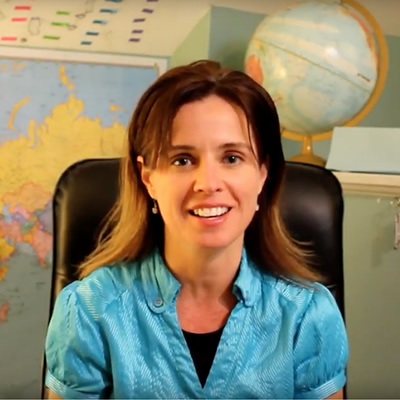
Watch a Sample Live Online Class Session
Course Overview
- High School Credit: 1 High School Science Credit
- Recommended Grade Level: Grades 8–12
- Prerequisites: None
- Format: Weekly live online classes with labs and hands-on activities
Testimonials
“Thank you for the class, hope you have a good summer. I wish I could be in one of your classes next year, Bye!”
Aaron
High School Credits
- 1 credit
Grade Levels
- 8th – 12th grade
Prerequisites
- None
Curriculum
- An eBook will be provided.
Hands-on Learning Activities
- Students will participate in hands on learning activities, experiments and write basic lab reports.
Syllabus Download
Course Outline
- Inside Earth
- Plate Tectonics
- Earthquakes
- Volcanoes
- Land Forms
- Weathering and Erosion
- Erosion and Deposition
- Soil
- Rocks and the Rock Cycle
- Igneous Rocks
- Sedimentary and Metamorphic Rocks
- Minerals
- Groundwater
- Midterm Review
- Weather and Climate
- Clouds, Wind, and Fronts
- Thunderstorms and Lightning
- Tornadoes
- Hurricanes
- Glaciers and Tsunamis
- Atmosphere
- Sun and Moon
- Seasons
- Eclipses and Tides
- Oceans
- Hemispheres, Solstice, and Equinox
- Earth’s Poles
- Solar System
- Planets
- Final Topics
Frequently Asked Questions
Is this a live online Earth Science class?
Yes. Students attend weekly live online class sessions where the instructor explains concepts, answers questions, and guides students through discussions and activities.
Will students earn high school credit?
Yes. Students who complete the course earn one high school science credit.
Is this class designed for homeschool students?
Yes. This class is designed specifically for homeschool students seeking a structured Earth Science course with teacher guidance and hands-on activities.
What topics are covered in this course?
Students study geology, weather and climate, oceans, the atmosphere, and basic astronomy to understand how Earth’s systems interact.
Do students complete labs and experiments?
Yes. Students participate in hands-on experiments, virtual labs, and interactive activities throughout the course.
Estimated Workload
- Students will complete regular quizzes, typically taking 30 minutes or less.
- Students may use their notes and the eBook while completing quizzes.
- Each week includes a chapter reading from the eBook, instructional videos, and a hands-on experiment or activity to complete and submit.
- Eight tests will be given throughout the school year.